Sealcoating in Knoxville, TN
The single best dollar-per-year defense against East Tennessee's two-front assault on asphalt — summer UV oxidation and winter freeze-thaw water damage.
Get My Free Sealcoat Estimate (865) 745-7491Sealcoating in Knoxville, TN
A1 Asphalt Knoxville sealcoats driveways and parking lots across Knoxville and the surrounding East Tennessee counties. In a climate that combines hot UV summers (surface temperatures hitting 140-160°F on dark asphalt) with winters that freeze and thaw every week from December through February, sealcoat isn't optional — it's the maintenance step that decides whether your pavement lasts 12 years or 25. We use coal-tar emulsion or asphalt-emulsion sealers depending on the application, mix to manufacturer spec, and apply on a properly prepped surface at temperatures the coating can actually bond at. Call (865) 745-7491 for a free estimate.
Why Sealcoating Matters in a Freeze-Thaw Market
Asphalt in East Tennessee fails for two combined reasons — UV oxidation and water intrusion — and sealcoat addresses both. Summer UV heats Knoxville driveway surfaces to 140-160°F on July afternoons, and that heat plus oxygen breaks down the bituminous binder that holds the aggregate together. Once the binder oxidizes, the surface stiffens, loses flexibility, and starts releasing aggregate (that's the gray, gritty texture you see on aging unsealed driveways). Then winter shows up. Cracks that opened during summer drying take in water, the water freezes, expands by about 9%, and pries the crack wider — every freeze cycle. By March that surface that was fine in November has potholes opening up. Sealcoat is a thin protective layer that absorbs UV before it can reach the binder, and it also fills micro-cracks and surface porosity so water beads off instead of soaking in. In a market that gets both extremes, sealcoating is what separates pavement that ages gracefully from pavement that ages fast. First sealcoat on new asphalt goes down 12-18 months after install — long enough for oils to cure, short enough that UV hasn't started damage.


Request a Sealcoating Estimate
Limited Slots Available This Month!
Application Done Right — Surface Prep, Temperature, and Coverage Rate
Sealcoating fails when it's done badly. The single biggest failure mode is application over a dirty or damp surface — sealer doesn't bond to dust, debris, oil stains, or moisture, and a non-bonded coating peels in sheets within a year. We power-blow and pressure-wash before any sealer goes down, treat oil-stained areas with an oil-spot primer so the sealer has something to bond to, and let the surface dry fully before application. Application temperature matters: surface and air both need to be above 50°F (ideally 60°F+) with no rain forecast for 24 hours after application. We apply with a squeegee for cut-in work at edges and a spray-and-broom or spray-and-squeegee combination on open areas. Coverage rate is measured — typically two coats at 0.10-0.15 gallons per square yard each — not eyeballed. Under-applied sealer doesn't last; over-applied sealer cracks. Right rate, right temperature, two-coat minimum, properly mixed with sand for traction — that's what makes a sealcoat hold for three to four years.
How Often, and When It's a Waste of Money
In Knoxville, residential driveways should be sealcoated every 3 years — full sun exposure can push that closer to every 2-3 years, heavy shade out toward every 4. Commercial lots with heavy traffic need it every 2-3 years because mechanical wear from tires breaks the coating down faster than UV alone. The right time of year is fall — September and October are ideal — because you're sealing the surface against the upcoming winter's freeze-thaw, when crack widening does the most damage. Sealcoat won't fix structural problems, though, and that's where most of the wasted money goes. If a driveway is already raveling badly, has cracks wider than a quarter-inch, or shows alligator cracking from base failure, sealcoat is a cosmetic patch that won't hold and won't extend service life. The right sequence on those surfaces is crack-filling first, then sealcoat — or in worse cases, resurfacing first, then sealcoat 12 to 18 months later. We tell people honestly when a sealcoat isn't the right next step, even if it costs us the immediate job.
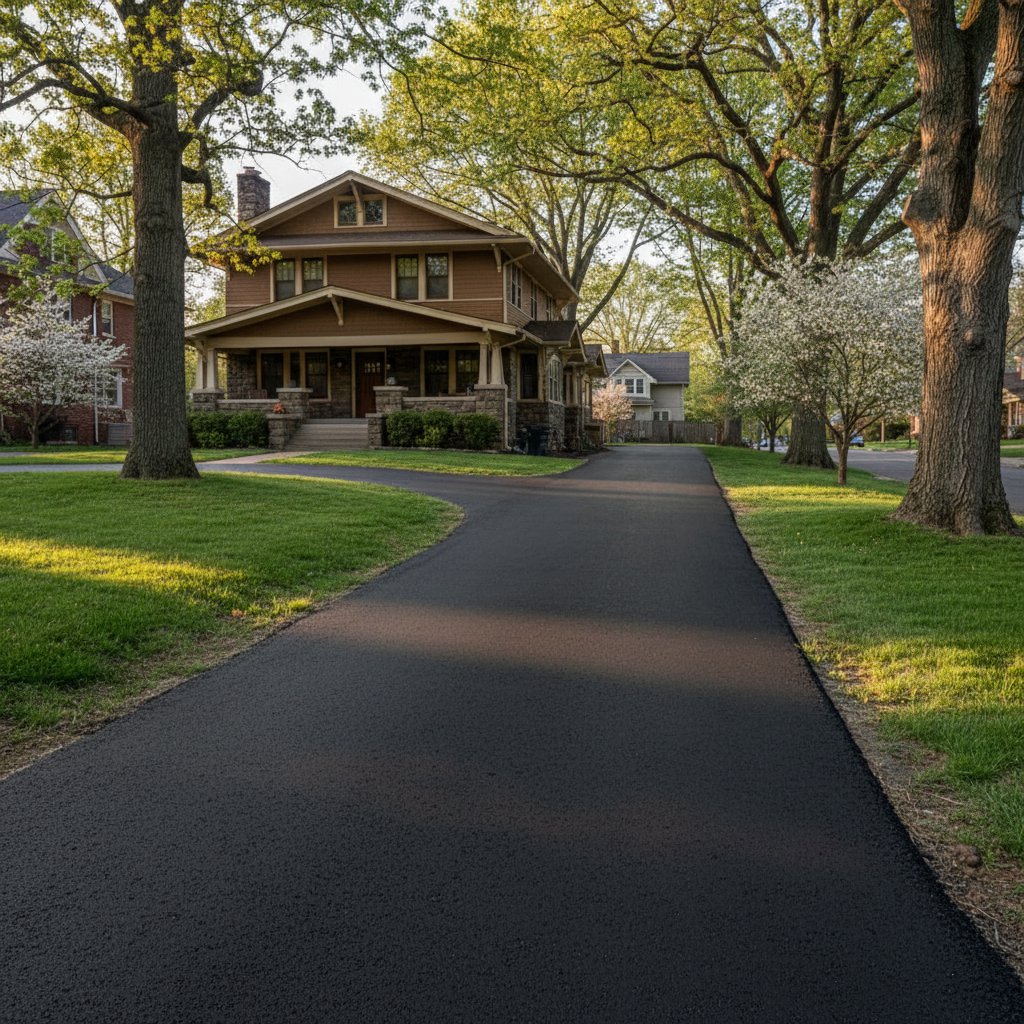
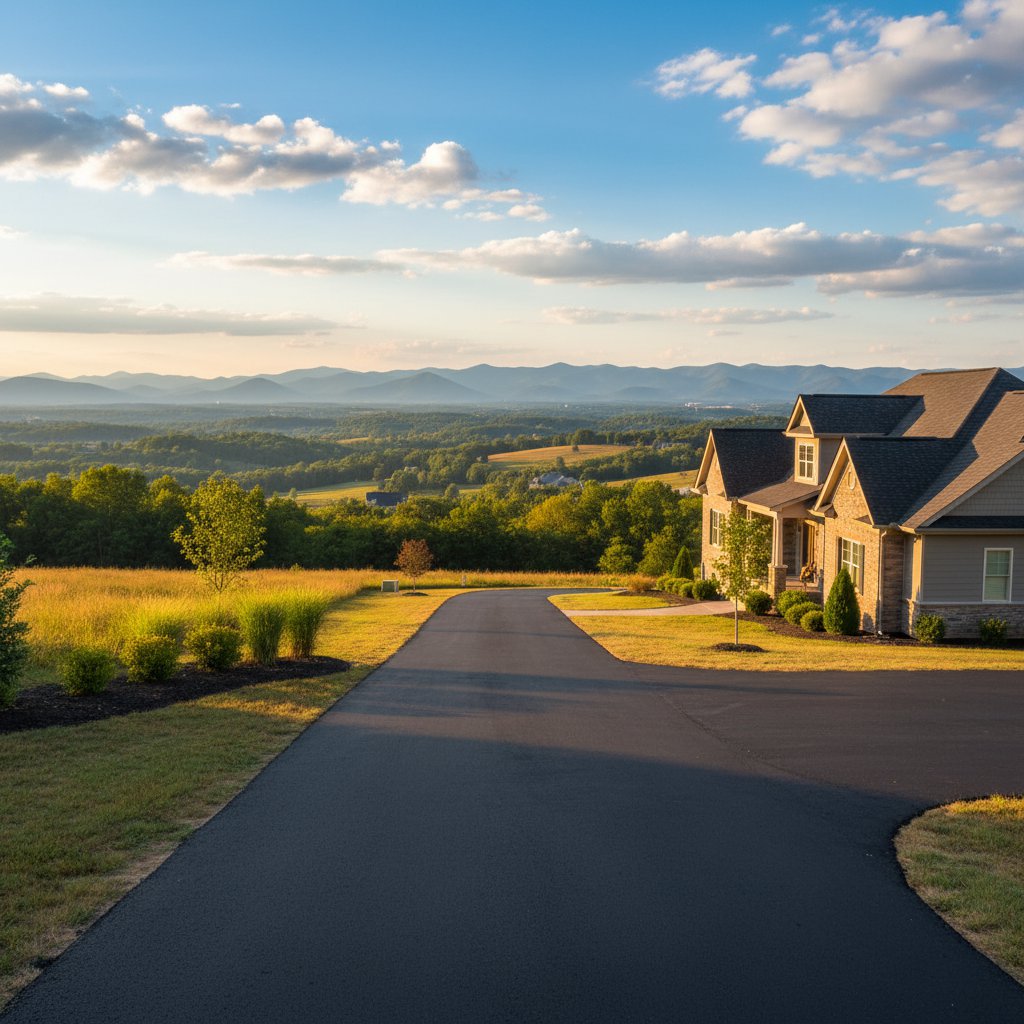
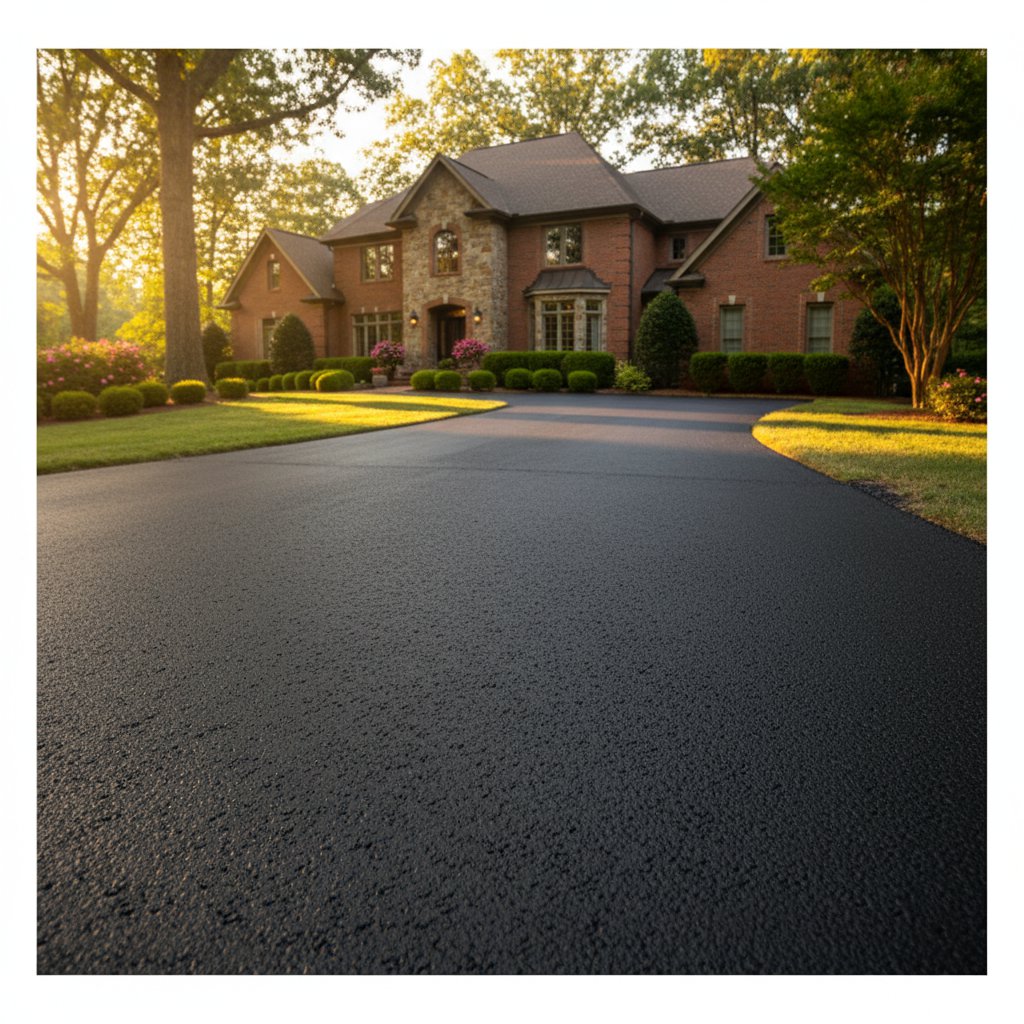
Recent Sealcoating Jobs in Knoxville
Signs It's Time to Sealcoat
The surface tells you when it's due. These are the signals to watch for on a Knoxville driveway or lot.
Surface Has Faded to Gray
Black asphalt turning gray means UV has started leaching the binder. Sealcoat now blocks the damage before it accelerates.
Three Years Since the Last Coat
Even a coat that still looks decent at year three is losing thickness. Recoating on schedule beats waiting until it's visibly worn — especially before winter.
Hairline Cracks Forming on the Surface
Small surface cracks are the early stage of bigger problems. Sealcoat seals them out before water can freeze in them and split them open.
New Driveway Past the 12-Month Mark
First sealcoat after a new install goes down at 12-18 months — long enough to cure, short enough to protect the binder before UV starts working.
How We Sealcoat
Four steps, in order, every time.
Clean and Prep
Power-blow and pressure-wash the surface, treat oil spots with primer, and let the surface dry before any sealer goes down.
Crack Filling First
All cracks wider than 1/8 inch get routed and hot-poured with rubberized sealant before sealcoat — sealing over open cracks doesn't last.
Two-Coat Application
Sealer is mixed to spec and applied in two measured coats by squeegee, spray-and-broom, or spray-and-squeegee depending on the surface.
Cure Time and Walk-Through
We post the cure schedule, restripe lots after full cure, and walk the finished surface with you before opening it to traffic.
What Our Clients Say
"Our driveway off Kingston Pike had hairline cracks running everywhere after last winter's freeze. They routed and hot-poured every one of them, then put a fresh sealcoat down before fall. Made it through this winter clean — no widening, no new potholes."

Ready to Sealcoat?
Get a free written estimate from a paving contractor that applies sealcoat the right way — clean surface, right temperature, two measured coats, and a cure schedule that respects what's actually happening on the surface.