
Pavement Maintenance in Knoxville, TN
Scheduled crack-fill, sealcoat, striping, and minor repair — the planned program that turns a 12-year driveway into a 25-year driveway and a 10-year lot into a 20-year lot.
Get My Free Maintenance Plan (865) 745-7491Pavement Maintenance in Knoxville, TN
A1 Asphalt Knoxville runs pavement maintenance programs for property managers, HOAs, churches, and homeowners across Knoxville and the surrounding East Tennessee metro. The math on maintenance is simple — every dollar spent on crack-fill and sealcoat on schedule saves four to ten dollars in eventual repair or replacement. The trick is doing it on the right cycle for this climate. We build written maintenance plans tailored to your pavement's age, traffic, and exposure. Call (865) 745-7491 for a free assessment.
Why a Maintenance Schedule Beats Reactive Repair
Most failed asphalt in Knoxville wasn't built poorly. It was maintained poorly, or not at all. The lifecycle of a properly built asphalt driveway or parking lot is predictable: year 1, the surface is sealed against UV but not yet against winter water; year 2-3, the binder starts to oxidize and surface cracks begin to form; year 5-7, water intrusion through unfilled cracks starts breaking down the base; year 10-12, what was a $400 crack-fill becomes a $4,000 patch program; year 15-20, what was a $4,000 patch program becomes a $40,000 resurfacing. The compounding curve is brutal, and the only thing that flattens it is hitting maintenance steps before they're overdue. A maintenance plan puts you on the right cycle: first sealcoat at 12-18 months after install, then annual crack-fill inspection, sealcoat refresh every 3 years, restripe after each sealcoat, and surface inspection every fall to catch and patch small failures before winter widens them. Reactive repair is always more expensive than scheduled maintenance — usually by an order of magnitude.


Request a Maintenance Plan
Limited Slots Available This Month!
What a Knoxville Maintenance Program Looks Like
We build the plan around your specific pavement, but the East Tennessee climate dictates the basic structure. Fall is the workhorse season — September through early November is the window for the year's biggest maintenance push, because everything we do then is positioning the surface to handle the upcoming winter. The fall pass typically includes a surface inspection, crack-fill on any new cracks (and any old cracks that have re-opened), sealcoat on the schedule the pavement is on (every 2-3 years residential, every 2 years commercial high-traffic), and a restripe if the lot was sealcoated. Spring is the inspection-and-repair pass — we walk the surface to find any freeze-thaw damage from the winter, patch small failures while they're still small, and identify anything that needs attention before summer heat sets in. Summer is the time for larger planned repairs and resurfacing projects, because mix plants are running hot and the cure window is friendly. Commercial property managers get the schedule in writing, on a calendar, with budget projections by year so there are no surprises at billing time.
Maintenance That Pays for Itself
The argument for maintenance isn't moral, it's financial. A residential driveway in Knoxville costs $3,000-5,000 to install. A full maintenance cycle over 20 years — first sealcoat, three to five refresh sealcoats, annual crack-fill, periodic minor patching — runs maybe $4,000-6,000 spread over those two decades, and the driveway should last 20-25 years. Skip the maintenance and the same driveway fails in 10-12 years, costing you another $3,000-5,000 to replace, plus more to demo the failed surface. The maintained driveway is roughly half the lifetime cost. On commercial lots the math is even more extreme because traffic load accelerates failure on unmaintained surfaces — we've seen lots that were original 15 years ago and look it (cracked, raveled, ADA out of compliance) sitting next to lots from the same era that were maintained on schedule and still look respectable. Maintenance isn't an upsell, it's the lowest-cost ownership path. We give you the written schedule with line-item budget so you can plan it the same way you plan any other recurring property expense.
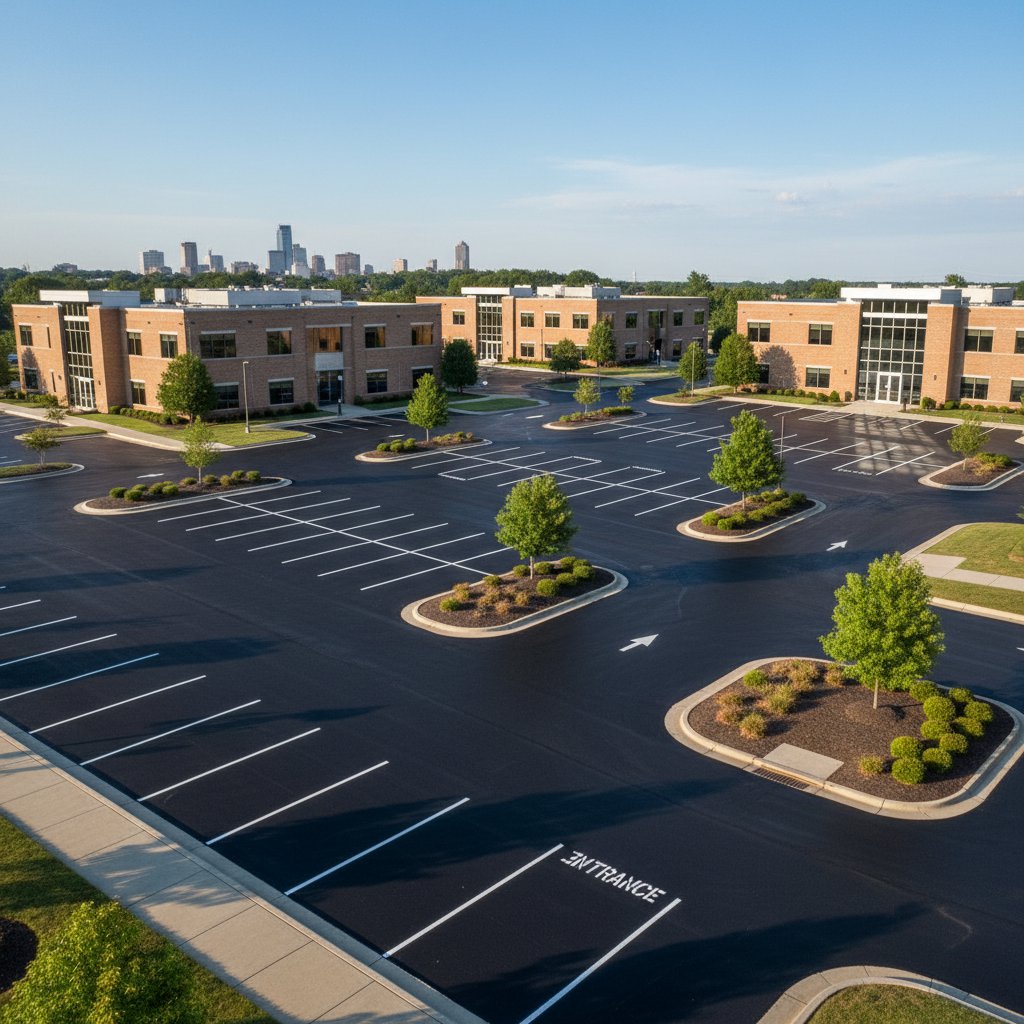
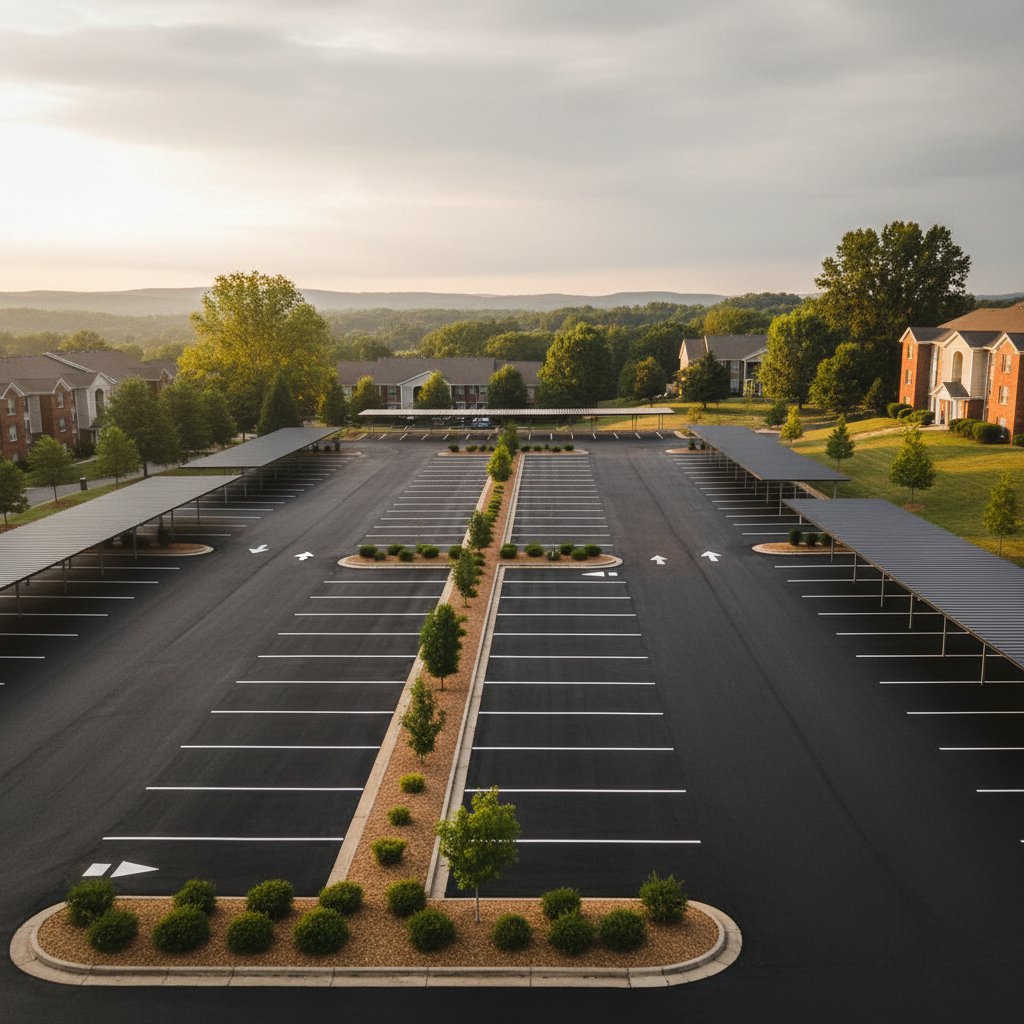
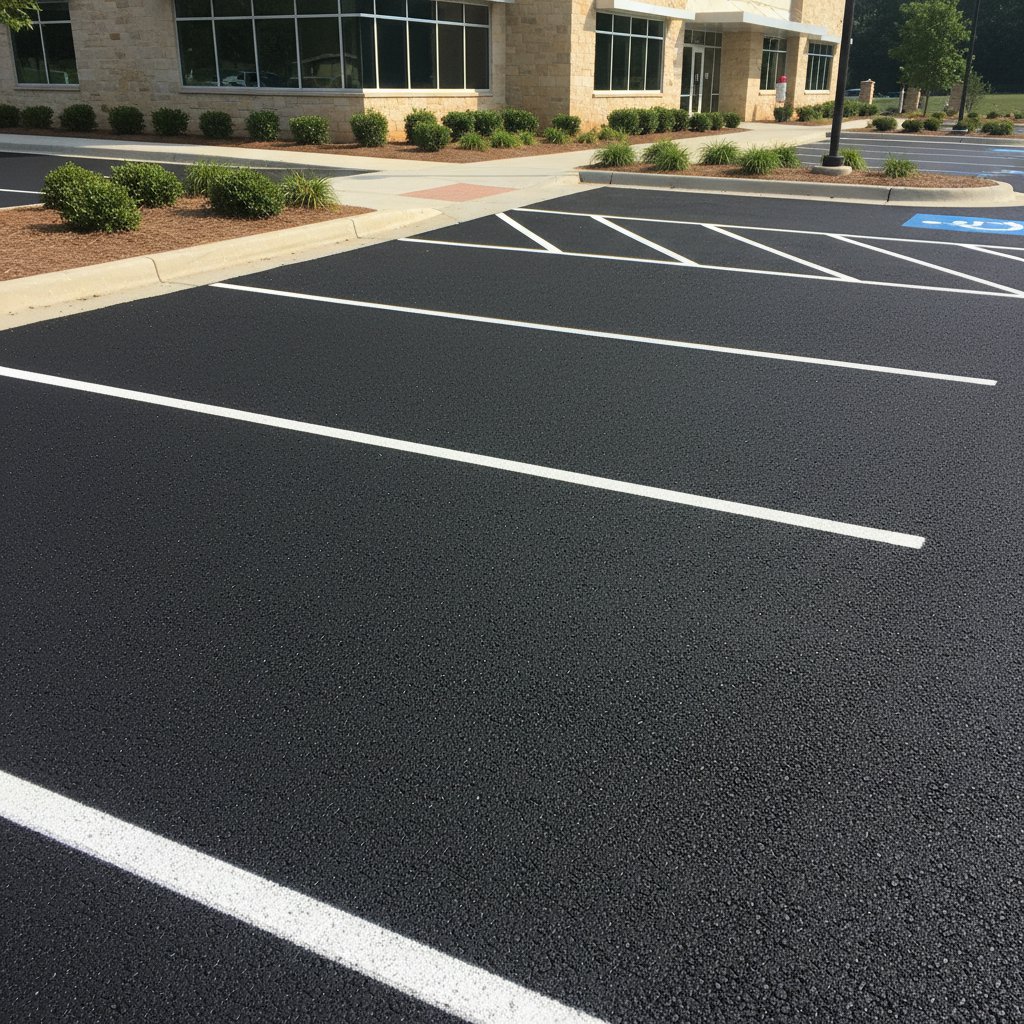
Recent Maintenance Work in Knoxville
Signs You Need a Maintenance Plan
If any of these describe your pavement, a plan starts paying back immediately.
Never Had a Sealcoat or Crack-Fill Schedule
Pavement that's been left to age on its own is already on the accelerated failure curve. A first maintenance pass puts the surface back on the right trajectory.
Property Manager Needs Budget Predictability
Annual maintenance is predictable line-item spending. Reactive repair is unpredictable capital expense. A written plan lets you budget years ahead.
Multiple Tenants or Buildings to Coordinate
Larger portfolios need a coordinated schedule across properties so work doesn't pile up in one fiscal quarter. We sequence the calendar across sites.
Surface Is Showing Early Warning Signs
Fading, hairline cracking, edge fraying — the small failures show up before the big ones. Catching them in a planned maintenance pass costs a fraction of fixing them later.
How a Maintenance Plan Works
Four steps to a written, scheduled, budgeted plan.
Site Assessment
Walk the property, document pavement age, condition, traffic, and exposure, identify what's needed now and what's coming up in the next 1-5 years.
Written Plan and Budget
Build a written maintenance schedule with line items by year — crack-fill, sealcoat, restripe, patching — and budget projections so you can plan ahead.
Scheduled Work, Calendar-Coordinated
Run fall maintenance in the right window, spring inspections and repair in the right window, and any major planned work in summer when conditions support it.
Annual Review
Each year we reassess pavement condition, update the plan based on what we see, and adjust the budget projections so the plan stays current with reality.
What Our Clients Say
"Our driveway off Kingston Pike had hairline cracks running everywhere after last winter's freeze. They routed and hot-poured every one of them, then put a fresh sealcoat down before fall. Made it through this winter clean — no widening, no new potholes."

Ready for a Real Maintenance Plan?
Get a free written assessment from a contractor that builds maintenance plans for East Tennessee's climate — not generic schedules. The cheapest way to own asphalt long-term.